By Eric Goodwin
October 6, 2026
In the realm of interior design and electrical installation, the concept of powering multiple fixtures from a single wall cutout presents unique challenges and opportunities. Homeowners today are constantly searching for innovative solutions to maximize efficiency without sacrificing style or aesthetics. Working with a qualified residential electrician is the safest path toward achieving a seamless, fully compliant installation that elevates your space. This article delves into how one wall cutout can efficiently power two distinct fixtures, shedding light on the technical, aesthetic, and practical considerations involved. Through comprehensive insights, readers will gain a better understanding of this approach, helping them make informed decisions for home renovations or new installations. Furthermore, we will discuss the potential benefits of this setup, addressing its compatibility with modern living spaces and future design trends. Powering multiple units through a shared entry point simplifies room layout planning while preserving precious wall real estate in high-visibility areas like kitchens, hallways, and living rooms.
Compare Standard and Custom Wall Cutouts
Standard wall cutouts are designed to adhere to universal dimensions that accommodate common fixture sizes and types. These pre-sized openings allow for efficient installation, often expedited by reduced customization requirements. The primary advantage of standard cutouts is their widespread compatibility with a variety of fixtures, including switches, outlets, and lighting fixtures. However, standard options may not always meet the specific needs of every space, limiting design freedom in specialized room layouts. Hiring a skilled residential electrician ensures that standard cutouts are wired correctly without compromising local building codes or structural framing. Standardized boxes remain the most cost-effective solution for standard drywall installations and straightforward dual-control upgrades.
Manage Electrical Load Distribution
Electrical load distribution is a fundamental concept in safely powering multiple fixtures from a single wall cutout location. This process involves balancing the overall electrical current load to ensure that neither fixture exceeds the outlet's maximum rated capacity, preventing potential hazards like overheating or short circuits. When designing dual fixture setups, understanding the maximum load capacity of the existing wiring is essential to avoid overloading the dedicated branch circuit. Proper load management not only protects the structural electrical system but also ensures that both connected fixtures operate efficiently at all times. Balancing the wattage across both devices ensures smooth power delivery and prevents flickers during operation.
A certified residential electrician often employs circuit breakers and fuses as part of load distribution, offering a vital layer of protection by automatically disconnecting the power supply in the event of an overload. These safety mechanisms are particularly crucial in dual fixture setups where the cumulative load from both fixtures can strain existing conductor wires. Regular inspection and routine maintenance of the overall electrical setup are recommended to ensure continual compliance with local load requirements and uninterrupted service. Upgrading older panels or installing modern arc-fault breakers further elevates the overall safety profile of your upgraded wall cutout location.
Select Wiring Options for Dual Fixtures
Before selecting a specific wiring strategy, it is crucial to assess the physical spatial layout and intended functional use of each fixture. For example, in settings requiring completely independent control of separate lights and appliances, parallel wiring configurations are far more suitable. Conversely, a simple linear approach might suffice for fixtures intended to operate simultaneously, such as a kitchen task light paired directly with accent cabinet illumination. Choosing the right wiring option greatly impacts ease of everyday use, system flexibility, and overall energy efficiency within the dual fixture setup. Selecting an appropriate wiring scheme upfront prevents costly tearing down of walls later.
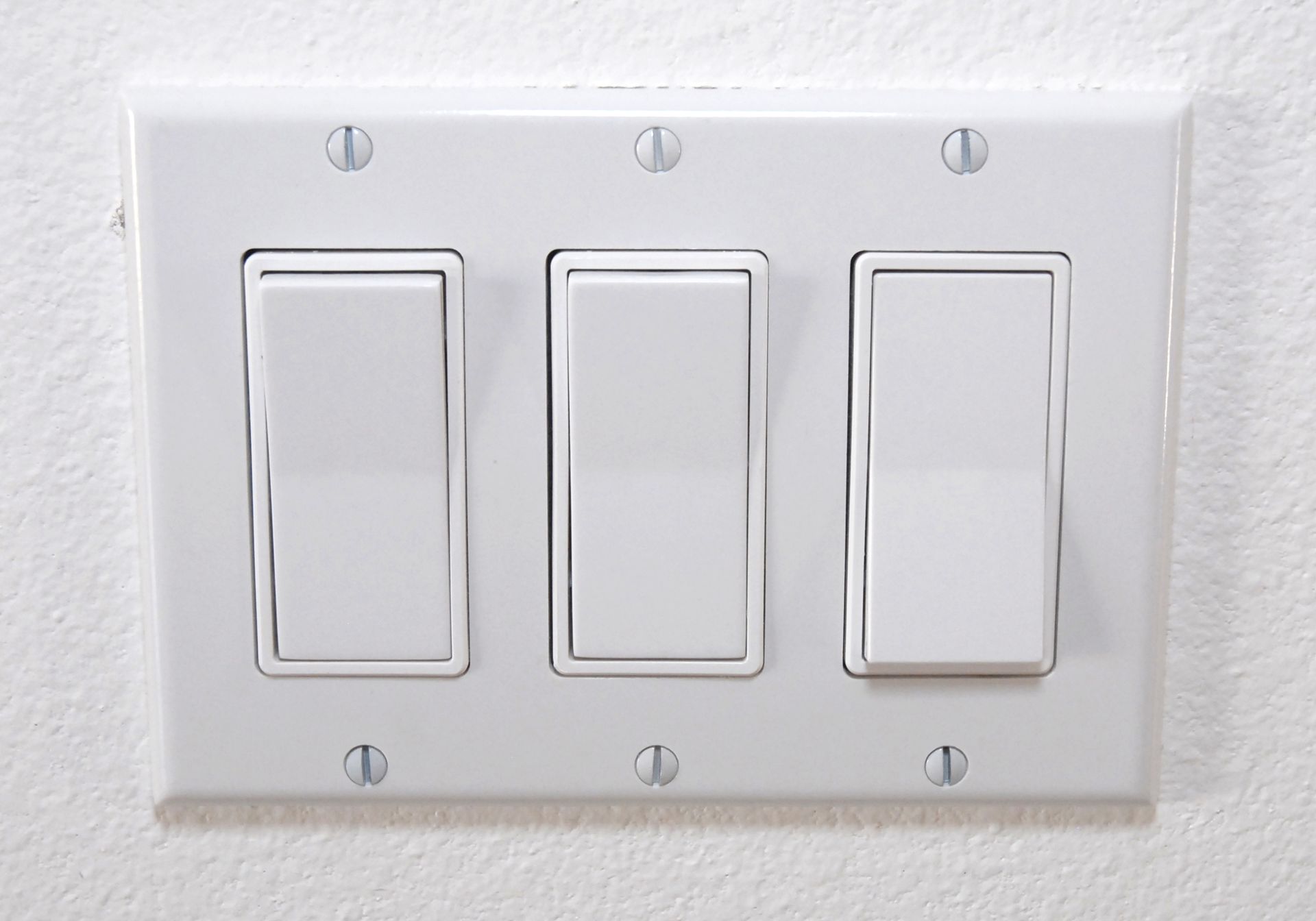
According to Home Advisor, a typical dual switch configuration empowers users to manage two separate fixtures from one location by utilizing two independent toggles set within a single unit. This convenient configuration provides users with maximum flexibility to operate each connected fixture independently without needing to carve out additional junction box spaces in the drywall. This spatial efficiency not only enhances everyday user convenience but also adds to the sleek visual functionality and appeal of the overall wall installation. The decision to implement specific wiring options ultimately depends on your design intentions, ambient lighting goals, and anticipated user interactions within the room.
Identify Compatible Fixtures and Requirements
Identifying fully compatible fixtures is a critical step in executing a dual fixture setup efficiently and effectively. Compatibility involves carefully evaluating the technical specifications of each fixture, including operational voltage, total wattage, and spatial wiring configuration. Fixtures that operate on similar technical parameters are considerably easier to pair safely, minimizing the need for additional inline transformers or complex modifications during the physical installation process. Additionally, choosing aesthetically cohesive fixtures can dramatically enhance the overall interior design theme while maintaining an efficient electrical power network. Consulting a licensed residential electrician helps ensure that all selected fixtures safely match the main electrical panel's load capacity.
Customize Fixtures for Individual Style
Customizing fixtures for personal design preference is a dynamic, creative way to imprint individual taste within custom dual fixture wall setups. This personalization process encompasses aesthetic aspects such as custom metal finishes, specialized shade materials, and distinct architectural eras, which can all be tailored to fashion a truly unique and welcoming home atmosphere. Whether selecting bold metallic accents or distinctive geometric shapes, customization focuses on translating personal artistic vision into tangible, functional elements of your physical living space. Tailored fixtures give any renovated room a high-end, custom-crafted feel.
Handcrafted or bespoke lighting fixtures elevate residential interior spaces, introducing one-of-a-kind visual elements that authentically express personal identity and modern lifestyle preferences. Customizing your fixture hardware enables the precise selection of compatible materials that suit both design goals and long-term practical needs, such as utilizing eco-friendly components or integrating smart lighting controls for increased operational efficiency. Working directly alongside a dedicated residential electrician ensures that these custom artistic creations are safely and securely integrated into your home's existing structural wiring grid without risk of thermal overload.
Prepare the Cutout and Wiring
The physical preparation of wall cutouts for dual installation is a fundamental starting point in any successful multi-fixture lighting project. This initial preparatory phase involves meticulous marking by a residential electrician and cutting the targeted section of drywall to ensure it comfortably accommodates both the physical fixture housing and all associated electrical junction wiring. Extreme precision during this cutting step is critical to ensure that the wall opening does not compromise the structural integrity of the surrounding wall framing or disrupt adjacent interior finish work. Proper layout tools prevent costly cosmetic repairs after the installation is complete.
Utilizing appropriate drywall cutting tools and precise measuring techniques guarantees proper placement and sizing of the cutouts, providing a secure fit for all intended mounting boxes. During spatial preparation, it is vital to confirm there are no hidden structural elements, such as load-bearing studs, structural bracing, or underlying water pipes, located directly in the path of the proposed wall cutout. Taking these precautions dramatically reduces the risk of damaging vital home infrastructure or causing unexpected plumbing issues during mounting. Relying on a master residential electrician ensures that all precision cutting, junction box mounting, ground bonding, and wire routing meet the absolute highest safety and industry standards.
Powering two distinct fixtures through a single wall cutout is a smart, stylish way to upgrade your home lighting without cluttering your walls with unnecessary switch plates. From choosing custom materials and aesthetic finishes to navigating complex electrical codes and circuit load balancing, proper planning makes all the difference in the final result. For homeowners located throughout the Naples, FL and Bonita Springs, FL area seeking expert, reliable professional assistance, reach out to the professional team at Goodwin Electric, Inc for free estimates on all your custom lighting, fixture upgrades, and comprehensive electrical service needs today.